
Museum workshop
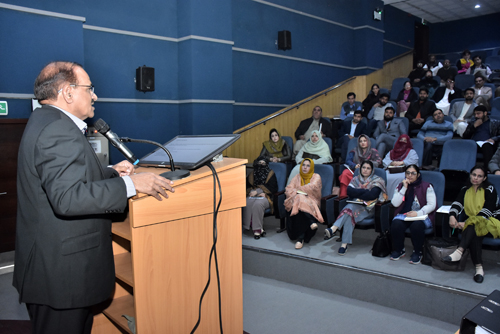
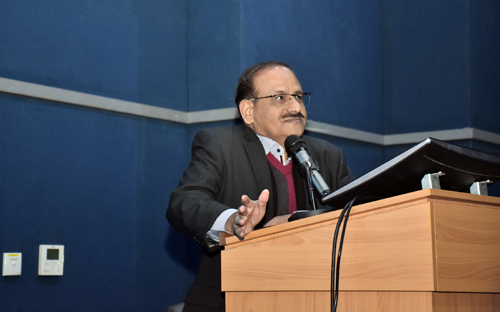
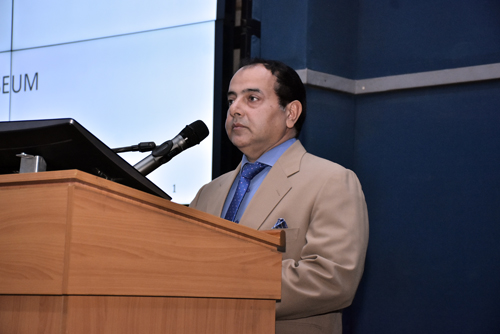
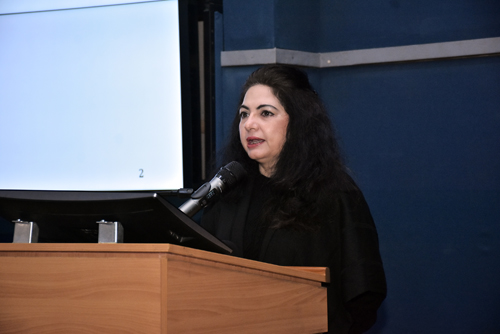
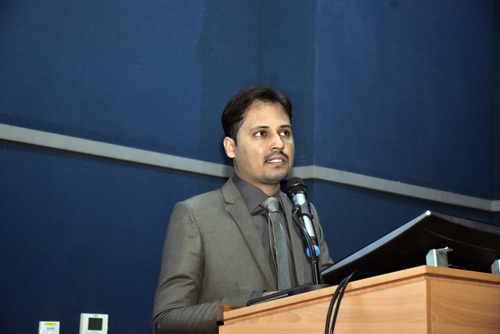
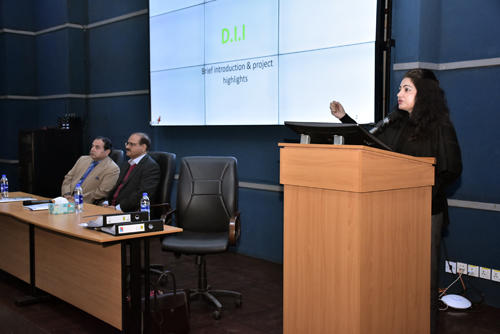
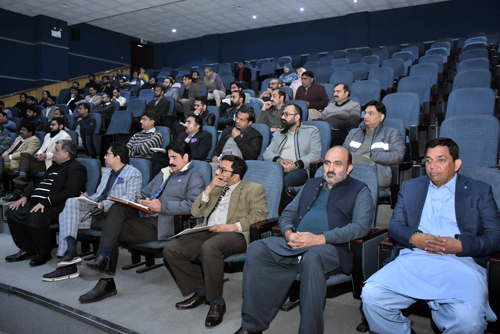
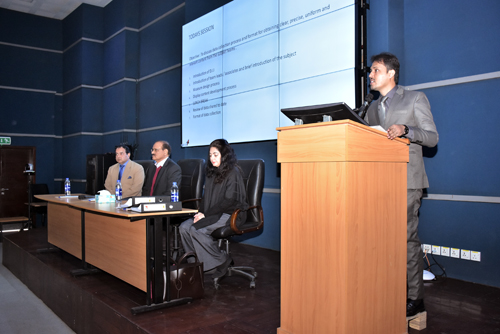
FAISALABAD Dec 18: The University of Agriculture, Faisalabad is establishing the country’s first ever agriculture and food museum in order to preserve our great agrarian heritage. It will showcase agricultural evolutionary times, and culture to the modern technology era. UAF Vice Chancellor Prof Dr Muhammad Sarwar Khan on Wednesday stated this while addressing the inaugural session of workshop titled ‘Museum’ at the Center for Advanced Studies Auditorium. He said that the University came into existence in 1906 as the Punjab Agricultural College and Research Institute Lyallpur and was the first agricultural institute of the sub-continent, which brought revolution and introduced innovation to the sector. He said that by the end of the 19th century, the British government had set up the Famine Commission to formulate a strategy to deal with famine and other food challenges. This institution, UAF, was established on the recommendations of famine Commission. He directed the department heads and faculty to provide the valuable asset to be displayed in the museum which would blend the agriculture, culture and rural folk. He said that the university was taking all possible measurer to address the issue of the sector with trained manpower, tangible research work and outreach. He said that UAF is declared the 49th best university across the globe in the agriculture and forestry as per QS ranking. Dean Food Sciences Dr Imran Pasha told the audience that UAF old campus of was designed by the world renowned architect Bhai Ram Singh who also developed architectural design of Aitchison College, Lahore Museum, Punjab University Old Campus, Queen Victoria Commission Osborne House and others . Museum Consultant Sadia Zainab said that the museum will attract a large number of the population and will contribute the world agriculture heritage and provide a better understanding of agriculture and its influence on culture and economy. Dr Raffay Muzamil said that the museum galleries will exhibit a range of artefacts, consisting of historical agriculture, modern agriculture, crop varieties, crop patterns, soil condition, and food technology etc.