
Contemporary Research Methods in English Language and Literature
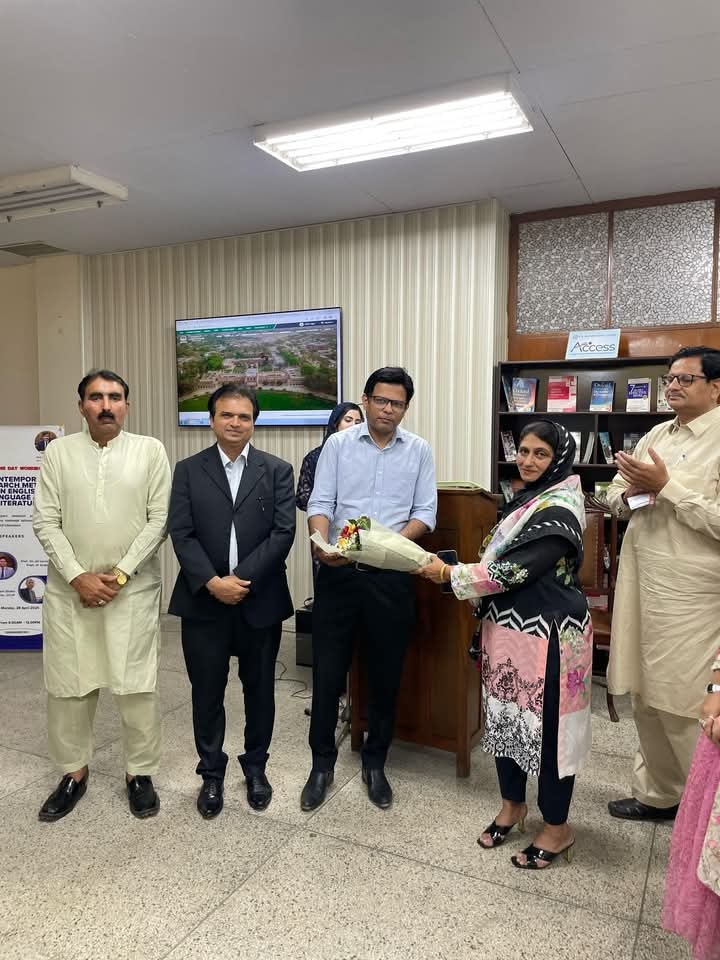
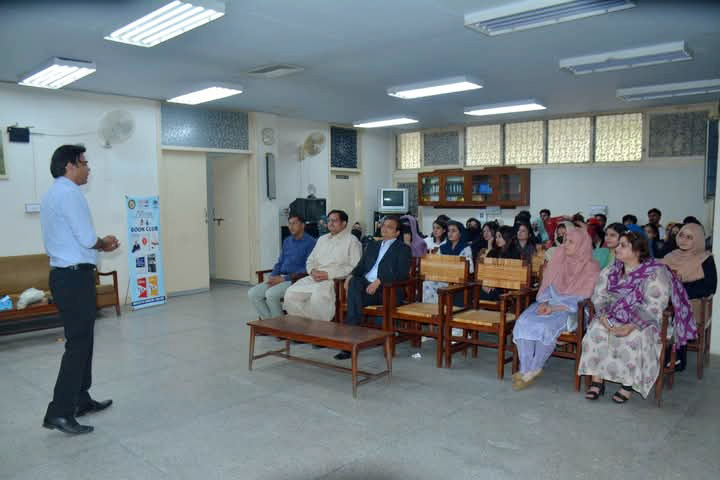
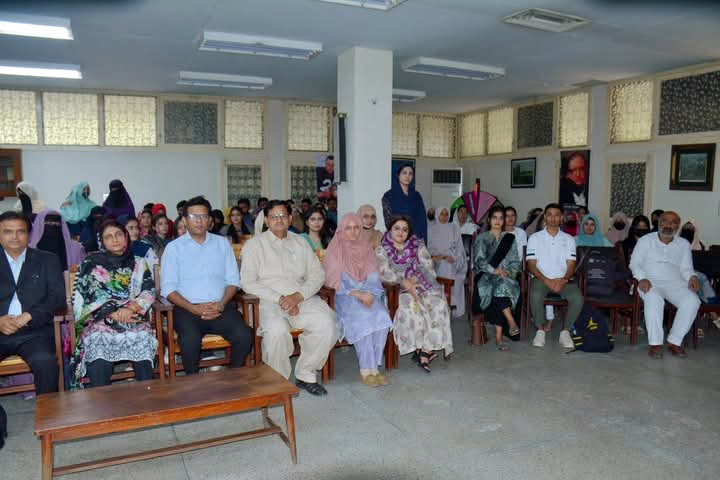
FAISALABAD April 29: In an era marked by digital transformation and global connectivity, literature remains a vital lens through which societies understand themselves and the world. It was stated by speakers at a one-day seminar titled "Contemporary Research Methods in English Language and Literature arranged by Department of English & Linguistics at the University of Agriculture Faisalabad (UAF) at the Main Library Hall. The seminar was held under the guidance of Vice Chancellor Prof. Dr. Zulfiqar Ali, and inaugurated by Dr. Shazia Ramzan, Dean of the Faculty of Arts and Humanities. Dr. Ramzan emphasized the importance of integrating modern research tools with literary studies, underscoring the growing relevance of interdisciplinary approaches that blend sociology, psychology, and digital humanities with traditional textual analysis. Dr. Asim Aqeel, Chairperson of the Department of English & Linguistics, delivered a key address highlighting the urgent need to equip students with advanced literary and linguistic methodologies. He articulated how such skills not only deepen critical thinking but also enhance the marketability of English graduates in diverse professional arenas. “Seminars like these,” he stated, “broaden our intellectual horizons while simultaneously aligning academic training with the demands of today’s competitive job market.” Dr. Aqeel’s remarks placed a thoughtful emphasis on bridging theoretical knowledge with real-world applicability, stressing the role of English studies in cultivating adaptable, articulate, and analytically sharp individuals. Renowned academic Prof. Dr. Ali Usman Saleem from GCUF presented a thought-provoking keynote address exploring the intersections of literature, language, and society. He revisited the enduring debate between art for art’s sake and art for life’s sake, arguing that literature serves not just as creative expression but also as a tool for diagnosing and addressing societal crises. Urging students to engage critically with global literary discourses while staying rooted in local traditions, he showcased literature’s power to shape and reflect lived realities. Dr. Aleem Shakir (GCUF) delivered a session on quantitative methods in applied linguistics, explaining how statistical precision enhances the reliability of research and contributes to language testing, educational software development, and problem-solving within the humanities. His presentation brought attention to the economic and interdisciplinary potentials of linguistic research. The seminar also featured a practical session by UAF Librarian Mr. Umar Farooq, who demonstrated how to access and utilize the university’s expansive digital archives, databases, and e-resources—essential tools for modern literary and linguistic research. The event drew enthusiastic participation from faculty members, scholars, and students, sparking meaningful discussions on the evolving nature of literary and linguistic inquiry.