
Youth Engagement for Sustainable Cooling and a Climate-Resilient Tomorrow
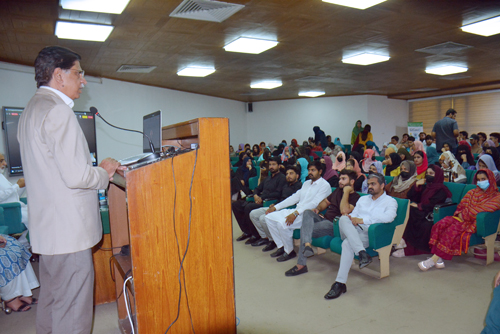
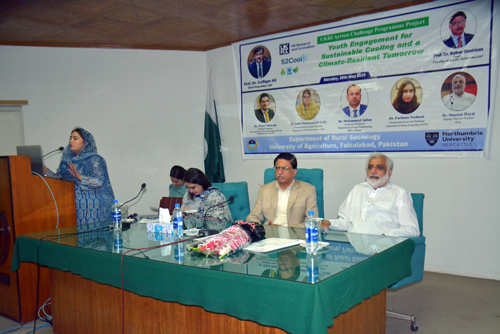
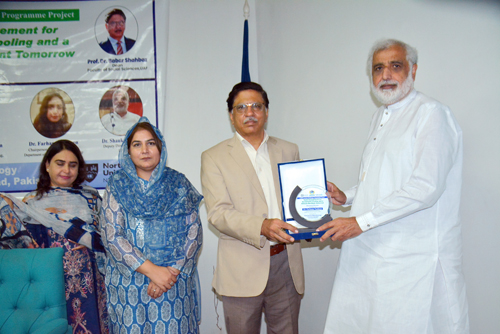
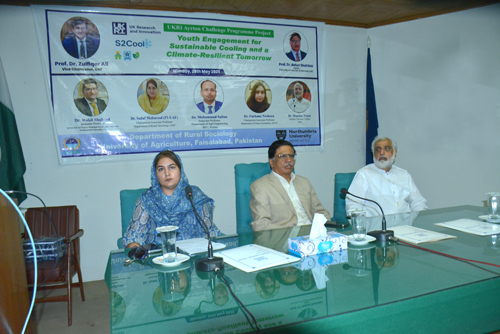
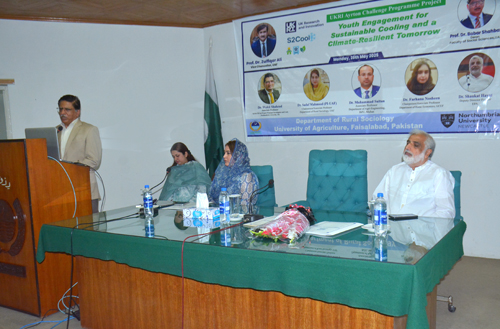
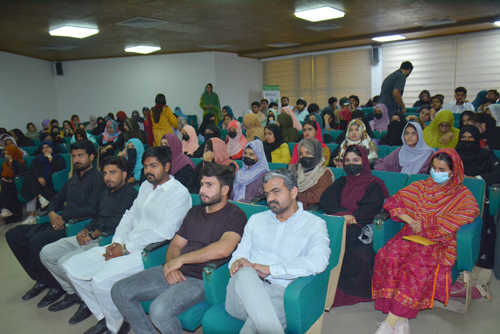
FAISALABAD May 27: Pakistan is ranked as one of the most vulnerable countries to climate changes and other natural disasters, facing significant risks from climate-related events like flooding, drought and changing weather patterns. The situation demands revolutionary steps to address the issue and localized climate solutions. It was stated by speakers at a seminar titled “Youth Engagement for Sustainable Cooling and a Climate-Resilient Tomorrow” arranged by Department of Rural Sociology at the University of Agriculture Faisalabad (UAF) on the directives of the Vice Chancellor Prof Dr Zulfiqar Ali. The event was organized under the globally collaborative project, “Super-Efficient Sustainable Cooling Solutions for All Applications (S2Cool)”, funded by the UK Research and Innovation (UKRI) Ayrton Challenge Programme and led by Nothumbria University Uk, Associate Prof Dr Wakil Shahzad. Dean Faculty of Social Sciences Prof Dr Babar Shahbaz called for pacing up the efforts to tackle climate threats. He said that this forum brought together experts and young minds to address the pressing issue of climate change. He said our youth are the key drivers of innovation and change and their active involvement is vital in tackling environmental challenges. Dr Wakil Shahzad, an expert in sustainable development, urged the students to activity work and create awareness. Dept of Rural Sociology Chairperson Dr Sadaf Mehmood said climate changes are posing a serious threat to the human beings, animals, eco system and agriculture. She said that youth engagement is crucial to mitigate the effects of devastating climate. Associate Professor, BZU Multan Dr Muhammad Sultan shed light on technicalities of the super-efficient cooling appliances and their effect on our daily life. Dr Shaukat Hayat Former Deputy Director, EPA brought forward critical perspectives and governmental policy in climate mitigation. Govt. College University Faisalabad (GCUF) Chairperson/Associate Professor Dr Farhana Nosheen said that youth and gender empowerment in sustainable cooling solutions would help combat the crises. Dr Muhammad Atif said that this scenario also served as a call to action for the nation's youth, future leaders, innovators and change makers to lead the charge in climate adaptation and technological innovation.