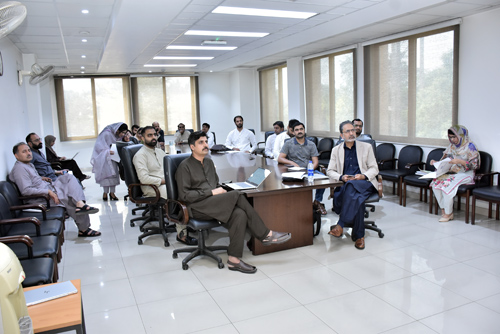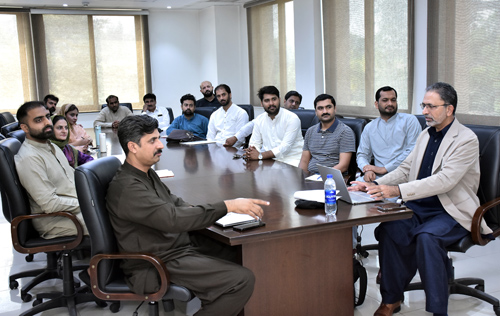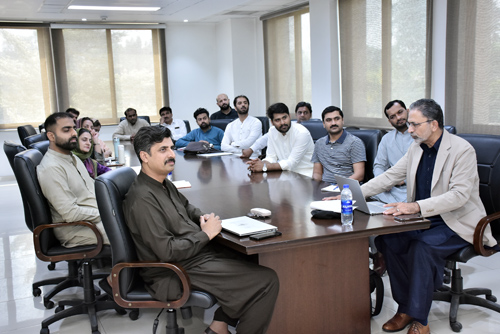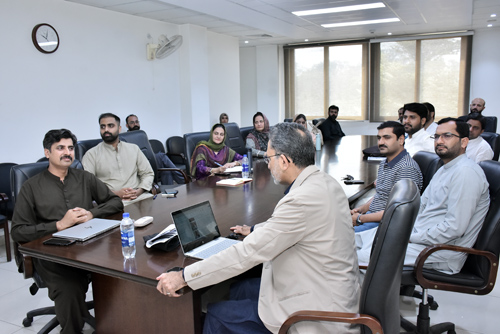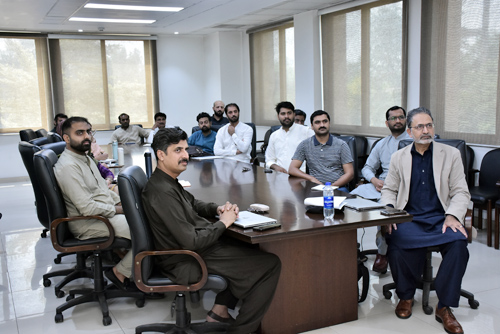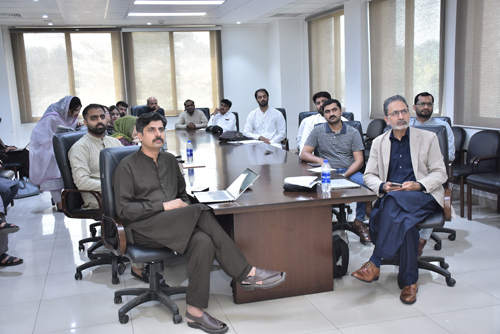

four-week Capacity Building Workshop on Agricultural Policy
FAISALABAD June 3: The University of Agriculture Faisalabad (UAF) is developing agricultural policies recommendations keeping the needs of the farming community and society in view in order to confront challenges, increase productivity and ensure profitable agriculture. In this regard, it has launched a four-week Capacity Building Workshop on Agricultural Policy to help develop the next generation of agricultural policy researchers and practitioners in Pakistan at the Centre for Advanced Studies (CAS). The key areas of the policy include water policy and governance, highlighting integration of scientific knowledge with policy decisions; the political economy of agricultural and food systems, examining how market dynamics and institutions shape policy choices; communication strategies to influence policy outcomes and strengthen public engagement; and techniques for evaluating policy alternatives and anticipating real-world challenges during implementation. The program is led by Dr Muhammad Ejaz Qureshi, Senior Academic at The Australian National University, in collaboration with UAF faculty—including Professor Dr Muhammad Asif Kamran under the patronage of UAF Vice Chancellor Professor Dr Zulfiqar Ali and PHEC Chairman Prof Dr Iqrar Ahmad Khan. The program is aimed at enhancing analytical, communication, and leadership capabilities in agricultural policy research; strengthen policy design and implementation skills; improve the quality of research proposals and competitive grants aligned with national development agendas; promote strategic communication through policy briefs and evidence-based storytelling; encourage an integrated, interdisciplinary approach to agricultural policy reform. The first week laid a strong foundation through a combination of orientation activities, technical lectures, and interactive sessions. Second week focused on the practical aspects of policy development and implementation The training is being run by the financial and technical support from USDA’s Endowment Fund Secretariat; Pak Korea Nutrition Centre (PKNC); Australian Centre for international Agriculture Research (ACIAR) and Commonwealth Scientific and Industrial Research Organization through funded research project on ‘Climate resilient and adaptive water allocation in Pakistan’