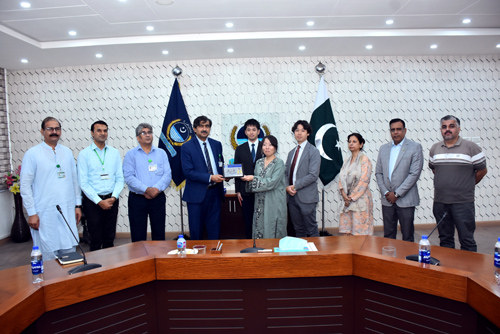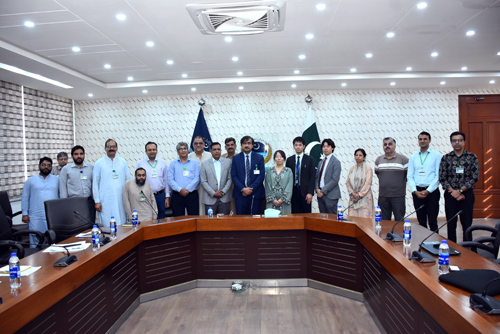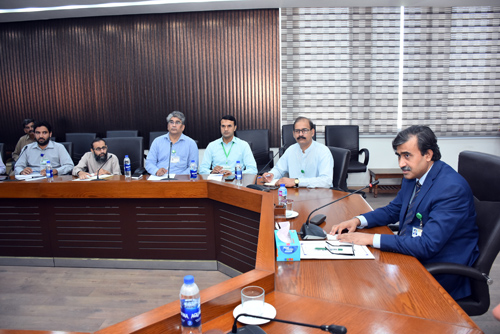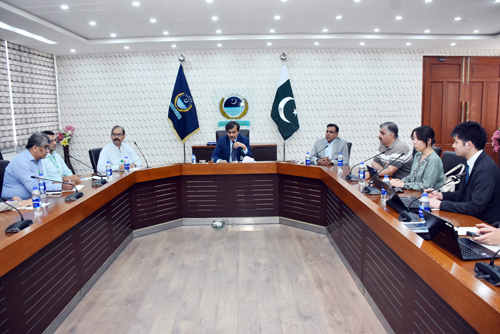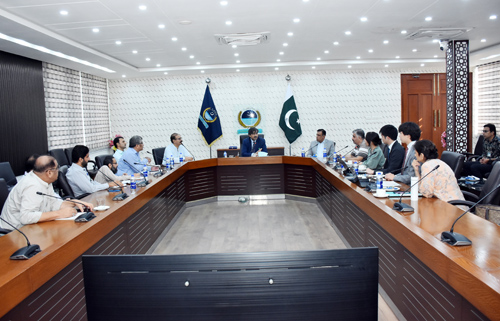

Delegation from Japan International Cooperation Agency (JICA)
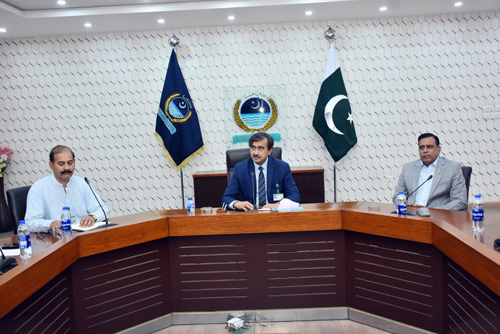
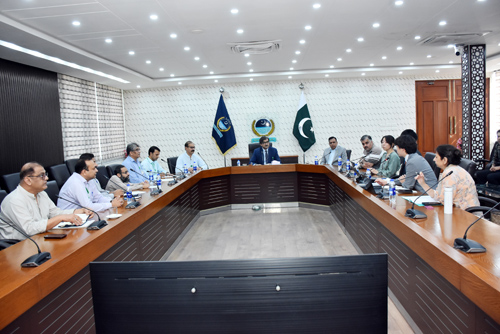
FAISALABAD Aug 7: Experts at a meeting held at the University of Agriculture Faisalabad have called for addressing contaminated water irrigation for agriculture, posing serious health hazards that need to be filtered out with wastewater treatment. It was discussed at meeting. WASA Managing Director Sohail Qadir Cheema along with a three-member delegation from Japan International Cooperation Agency (JICA), and Deputy Managing Director (Engineering) Saqib Raza visited the UAF and called on UAF Vice Chancellor Prof Dr Zulfiqar Ali, deans, and directors to discuss pressing water issues in the agriculture sector, including wastewater treatment and sustainable water management solutions. The main objective of the meeting was to discuss the plan to establish a modern and environment friendly wastewater treatment plant in the premises of UAF which will not only help prevent water wastage but will also play a key role in achieving sustainable development goals for the agriculture sector. Prof Dr Zulfiqar Ali said that contaminated water for agriculture sector was posing a serious health threat. He said that this project is a great development for the university. He said that the establishment of the Waste Water Treatment Plant will not only strengthen the research programs of the university but will also play an important role in promoting efficient use of water in the agricultural sector. He appreciated WASA and JICA’s support and said that such projects would further strengthen bilateral cooperation between Pakistan and Japan and would be helpful in achieving the goals of environmental sustainability. WASA Managing Director Sohail Qadir Cheema said that the proposed wastewater treatment plant at the University the support of JICA will be a unique and first-of-its-kind project. Through this plant, wastewater will be purified using modern technology, which will be used for irrigation of agricultural lands and address health hazards. He said that this project will prove to be a milestone in the fields of environmental protection, better use of water resources, and agricultural research. He said through this plant, students will get practical training and research opportunities in the fields of water treatment technologies During the meeting, the JICA delegation gave a detailed briefing on the technical details of the project, financial resources, and its potential environmental and agricultural benefits. The delegation assured that JICA would provide modern technology and its technical expertise for the project so that the plant would not only be efficient but also provide sustainable results on a long-term basis. All the parties participating in the meeting agreed that this project would be a wonderful example of cooperation among UAF, WASA, and JICA. This project would not only introduce modern water management practices but also serve as a role model for increasing agricultural production and environmental protection.