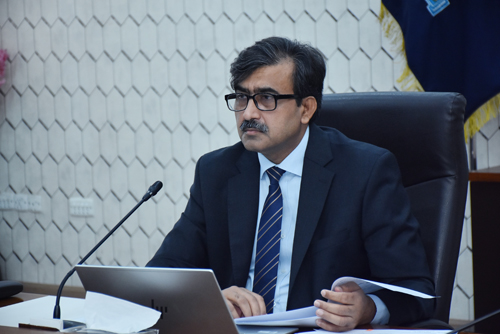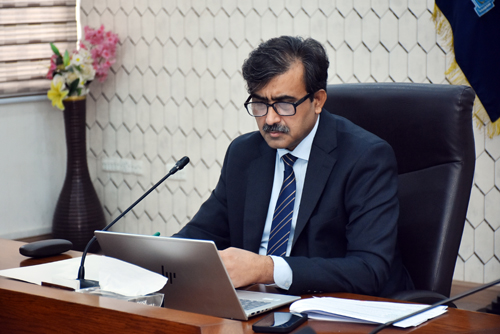

Organisation of Islamic Cooperation (OIC) is devising ten-year strategic plans for food security in the OIC member states that will prove a hallmark initiative for agricultural uplift.
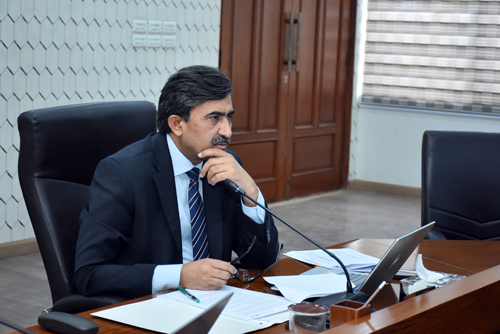
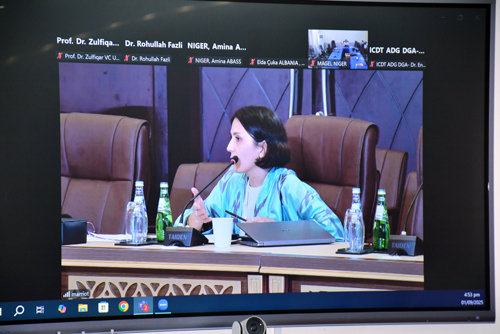
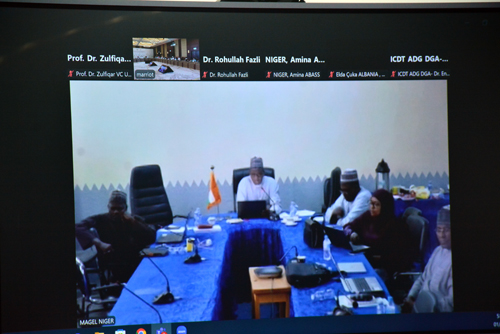
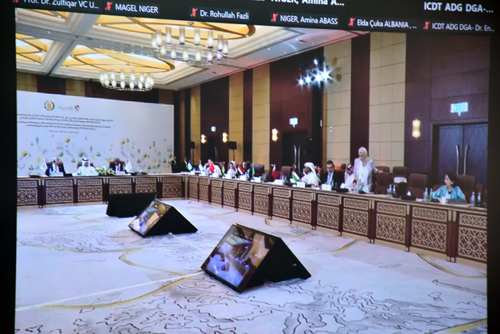
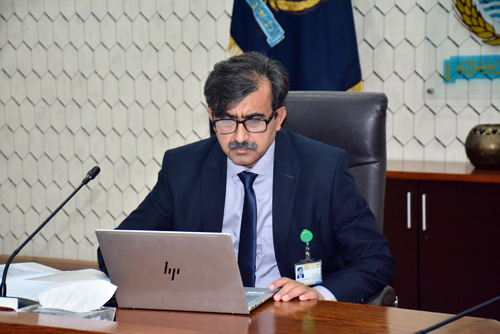
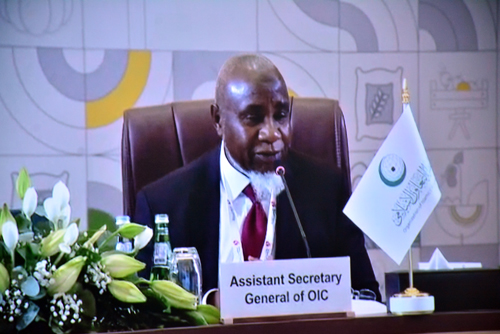
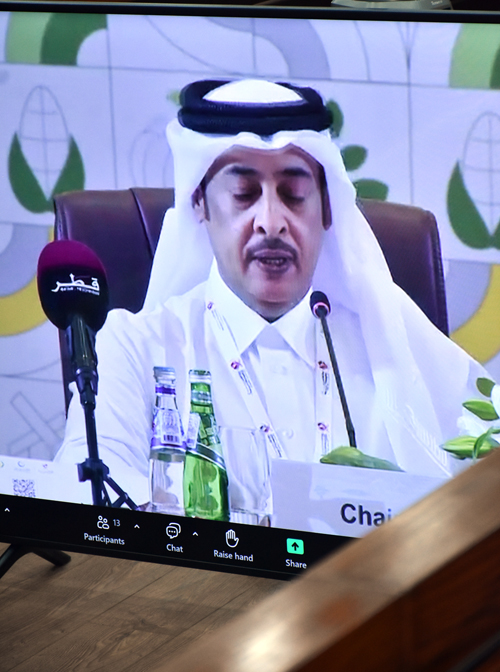
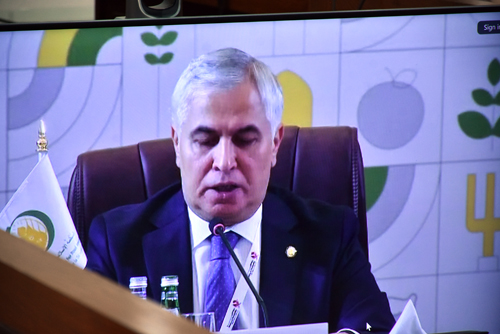
FAISALABAD Sep 3: As food insecurity issue looms large, Muslim Ummah have to make collaborative efforts to ensure the agricultural development and become self-sufficient. In this regard, Organisation of Islamic Cooperation (OIC) is devising ten-year strategic plans for food security in the OIC member states that will prove a hallmark initiative for agricultural uplift. This was stated by University of Agriculture Faisalabad (UAF) Vice Chancellor Prof Dr Zulfiqar Ali while virtually briefing the meeting of OIC on the said strategic plan being held in Doha. He said that 9th OIC Ministerial Conference on Food Security and Agricultural Development held in 2023 in Doha requested IOFS to hold regional consultation among three OIC groups. Since then, consultative meetings have been arranged and feedback was received from Africa, Arab and Asia. He said that OIC member states are facing critical challenges in ensuring food security, trade balance and economic growth. A comprehensive food security eco-system has been devised to address the challenges along entire food value chain in member states. Its five core blocks include model support centers, industrial development; capacity building to empower farmers, resource mobilization and intra trade promotions. Additionally, the eco-system promotes climate smart agriculture, investment in research and development and strengthening agricultural infrastructure to address environmental risk. He said that it is meant to ensure food security in OIC member states by attaining self-sufficiency and promoting sustainable food system, economic growth, health and nutrition and reliance of supply chain. He added that the plan will help increase agriculture productivity of agri food system; encourage integrated pattern in crop and animal production system and climate smart agriculture. It will also help reduce food losses and waste by making production processing storage, and logistic efficient. He said that they would also develop legislative structure and regulatory framework to improve policy development through livelihood, empowering women and youth, efficient utilization of natural resources, enhancing production quality, ensuring food safety, improving intra OIC trade and supply chain, and promoting digital technologies in agro food system. He told that it also features governance of natural resources and food production chain, create financial innovative tools and other initiatives. He said that framework is designed for the capacity building, including food relief support, livestock development, strategic commodities and silos. Whereas, intra-trade includes trade agreement, contractual framing, food balance data, food security governance, access to trade roots and policy and regulation. He also said that industry development is integral part of the plan. He told the meeting that model support centers will be established for packaging, production, climate smart agriculture, water management, training programs, and pest control management. He said that with the industrial development, we will achieve product development and innovation, sustainable product techniques, value added products, food safety and quality insurance. While elaborating capacity building, he said that the issue of distribution hub, cooperatives, and special agricultural zone and farmer markets would be addressed.