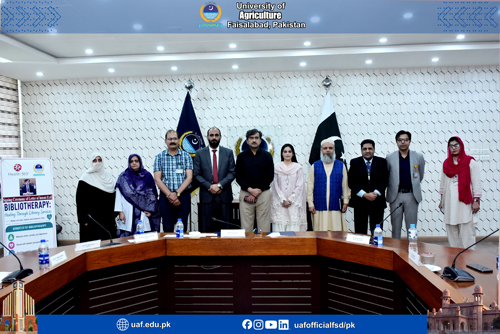

The University of Agriculture Faisalabad (UAF), in partnership with Health 360, has launched a Bibliotherapy Corner at its Main Library.
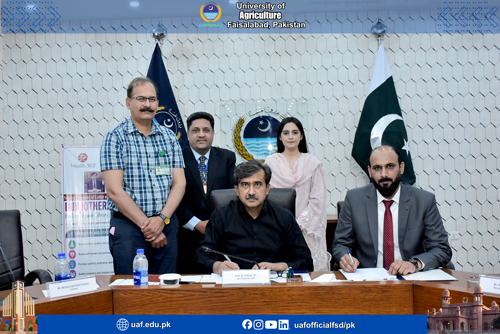
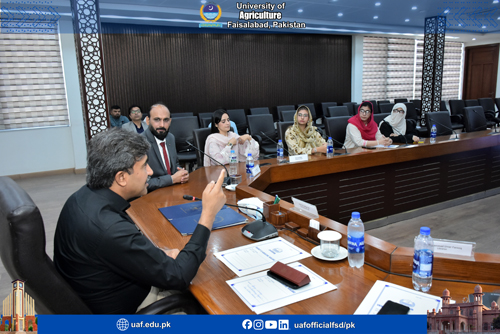
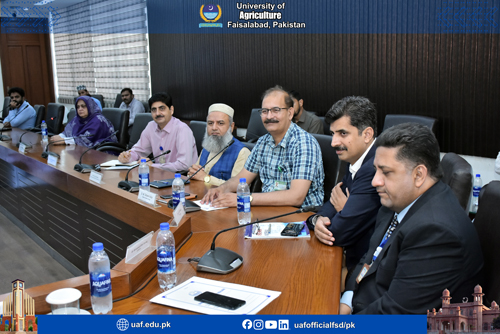
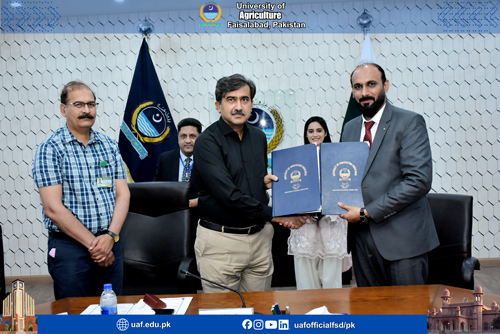
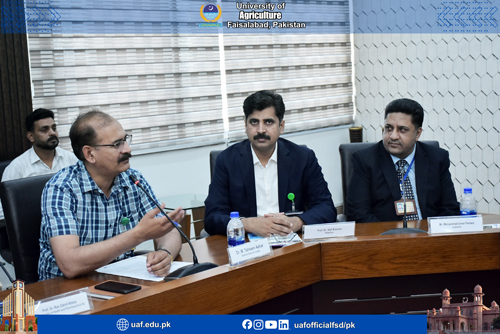
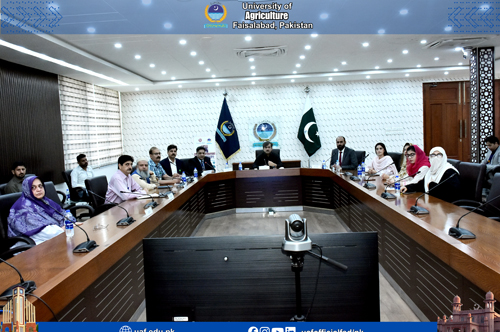
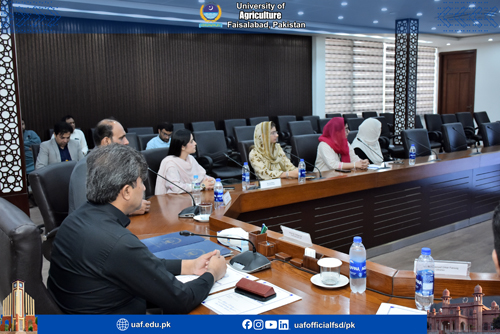
FAISALABAD, June 3, 2026: The University of Agriculture Faisalabad (UAF), in partnership with Health 360, has launched a Bibliotherapy Corner at its Main Library. The corner uses structured reading materials — including biographies, fiction, and self-help books — to foster empathy, strengthen critical thinking, and support emotional well-being. UAF Vice Chancellor Prof. Dr. Zulfiqar Ali described it as a significant step toward promoting the psychological health and emotional well-being of students. The corner provides carefully selected books and resources to help students manage academic stress, social isolation, financial challenges, and digital overload. Through the partnership with Health 360, Ms. Iqra Nafees — a psychologist and alumna of the English Access Scholarship Program — will offer free counseling services to students using books as a therapeutic tool. On the occasion, UAF and Health 360 formally signed a Letter of Intent (LoI) to foster collaboration in mental health awareness, psychological services, capacity building, research, training, and community outreach. The LoI was signed by Vice Chancellor Prof. Dr. Zulfiqar Ali and Health 360 Chief Executive Officer Ansar Mushtaq. Clinical Psychologist Ms. Iqra Nafees, UAF Dean Prof. Dr. Rao Zahid Abbas, Librarian Mr. Muhammad Umar Farooq, Director External Linkages Dr. Muhammad Tehseen Azhar, Registrar Prof. Dr. Muhammad Kamran Asif, and other notables were also present. The Letter of Intent reflects the shared commitment of both institutions to promote psychological well-being, support evidence-based practices, and create opportunities for students, faculty, and health professionals to engage in meaningful academic and professional activities. Recognizing the potential of Bibliotherapy, the Punjab Higher Education Commission (PHEC) is planning to initiate the bibliotherapy program across universities in the province through training of librarians enabling them to collaborate with psychologists, and counselors for successful execution of the program Aligned with UN Sustainable Development Goal 3 (Good Health and Well-Being), the initiative presents an innovative and scalable model for supporting student wellness in higher education institutions across Pakistan.